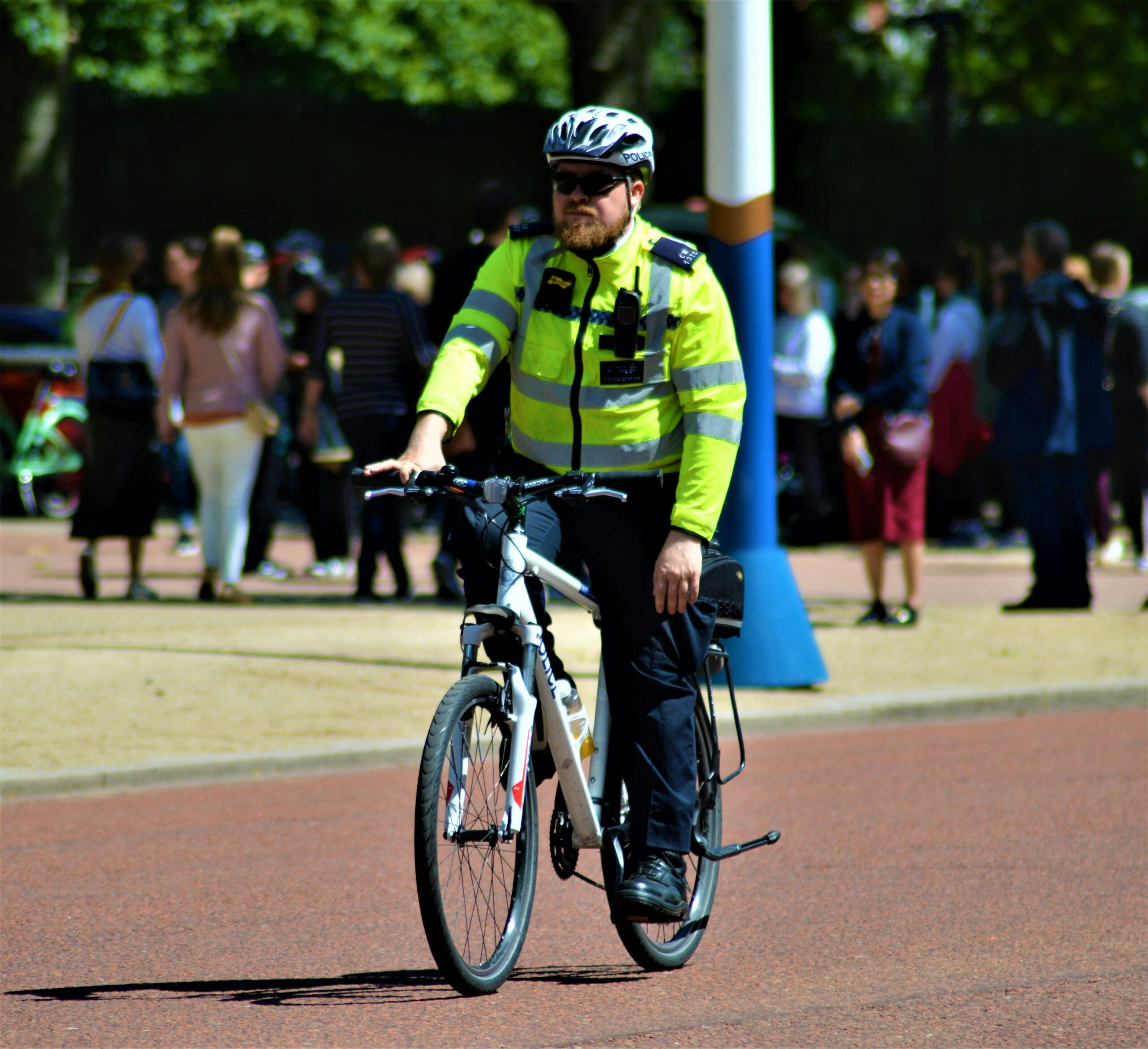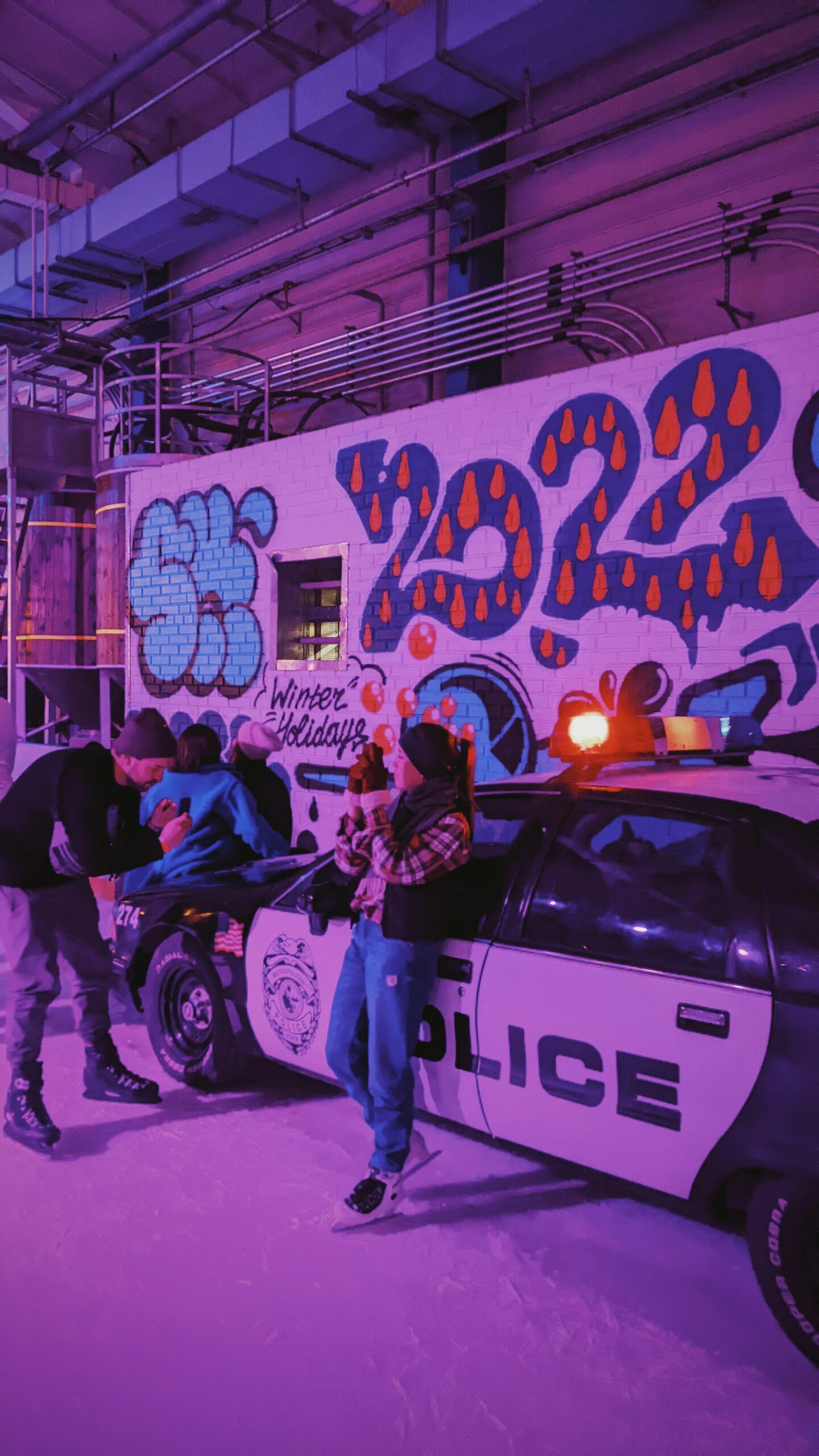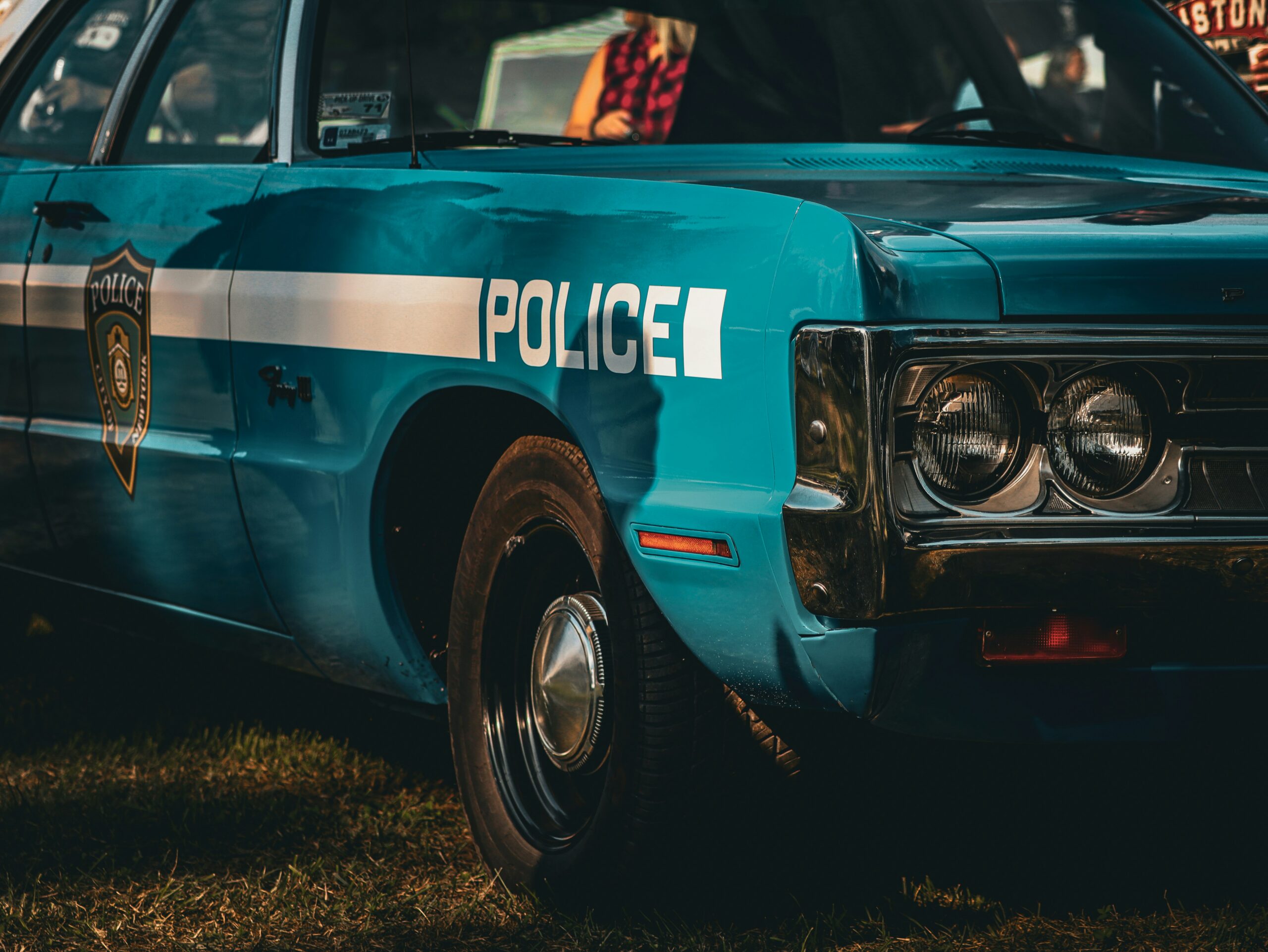
In the world of patrol and community policing, your “shop” is more than just a vehicle. It’s your office, your sanctuary, and your primary tool for keeping the peace. To an outsider, a police cruiser is a piece of city equipment. To those of us in a Community-Based Gang Investigations Unit, the “old school shops”—the rugged, rear-wheel-drive sedans of yesterday—represent an era of policing that was as much about the “feel” of the street as it was about the technology inside.
As the fleet evolves into modern SUVs and high-tech hybrids, many of us find ourselves looking back at the old school shops with a certain brand of nostalgia.
More Than Just a Crown Vic
When we talk about “old school shops,” we’re usually talking about the Ford Crown Victoria Police Interceptor. It wasn’t fancy. It didn’t have a touchscreen or a 360-degree camera. But it had a presence.
- The Silhouette: Long, wide, and low. Gang members and residents alike could spot the “sharks” coming from four blocks away. In the gang unit, that visibility was part of the strategy—sometimes you want to be low-profile, but often, you want the shop to serve as a rolling deterrent.
- The Bench Seat: Before the massive center consoles and ruggedized laptops took over, the old bench seats allowed for a bit more human interaction. It was easier to lean over, roll down the passenger window, and have a genuine conversation with someone on the corner without a mountain of plastic in the way.
- The Durability: Those shops could take a curb at 40 mph or idle for twelve hours in a stakeout without breaking a sweat.
The Office on Wheels
For a gang investigator, the shop is where the real work happens. We don’t spend our days behind a desk; we spend them behind the wheel.
“You learn more about a neighborhood through a windshield than you ever will through a crime statistics report.”
In an old school shop, you felt connected to the pavement. You knew every pothole in the “hot zones” and every alleyway narrow enough to scrape your mirrors. The shop was where we’d sit for hours, sipping lukewarm coffee, watching the hand-to-hand transactions or the territorial posturing that defines the rhythm of the street.
It was also the place where some of the most important “interviews” took place. There is a specific psychological shift that happens when a young man sits in the back of a shop—the vinyl seats, the smell of cleaning solution and stale air—sometimes, the isolation of that space is where the truth finally comes out.
The Evolution of the “Shop”
The shift to modern SUVs—our “new shops”—has changed the dynamic of community policing. The higher ride height gives us better visibility over fences and into backyards, which is a massive tactical advantage when tracking a suspect through a residential block. The “off-road” capabilities mean we can follow a pursuit where the old sedans would have bottomed out.
But there is a trade-off. A modern SUV feels more like a fortress. It’s imposing. It can create a physical barrier between the officer and the community. The old school shops, despite their flaws, felt a bit more grounded—a bit more like they belonged to the neighborhood.
The Legacy of the Patrol Car
Every dent on the bumper of an old shop had a story. Every scratch on the door was a reminder of a foot pursuit or a close call. For those of us in gang investigations, those cars were our partners. They carried us into the most volatile situations a city can offer and, more importantly, they carried us home.
As the last of the old school shops are retired and sold at auction, a piece of police culture goes with them. We embrace the new technology—the GPS, the automated plate readers, the enhanced safety—but we’ll always have a soft spot for the heavy doors and the V8 roar of the shops that defined our early years on the beat.