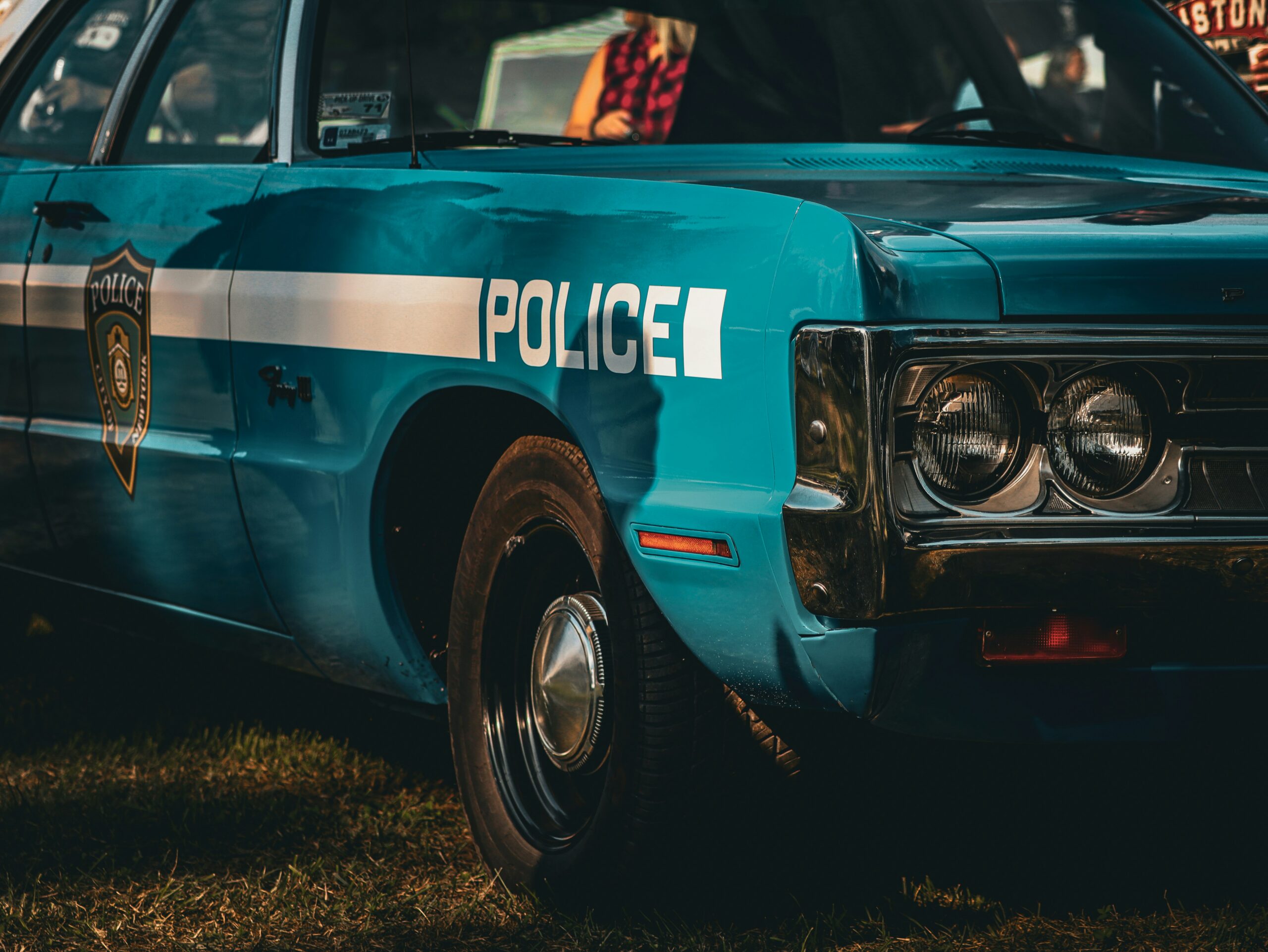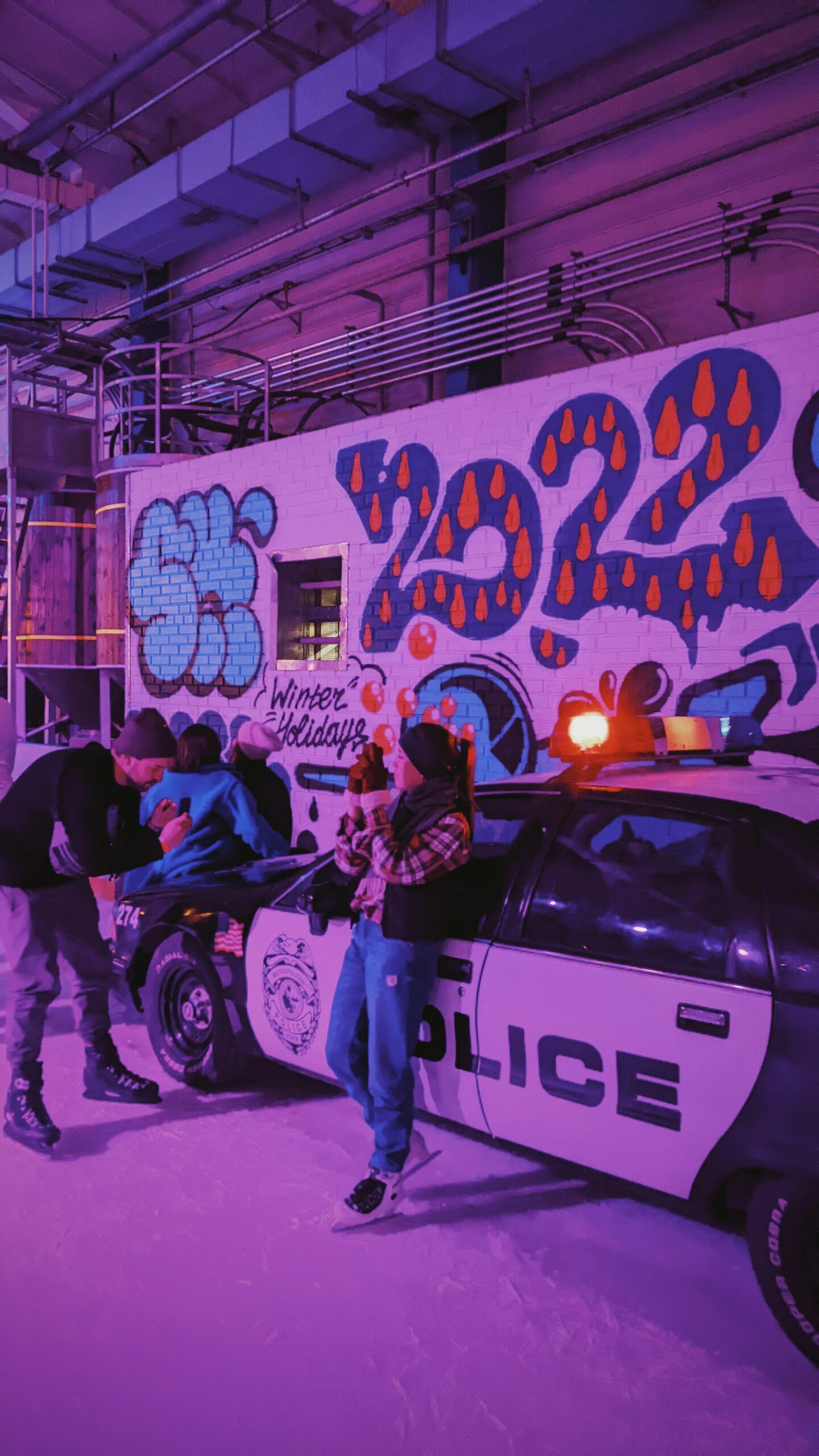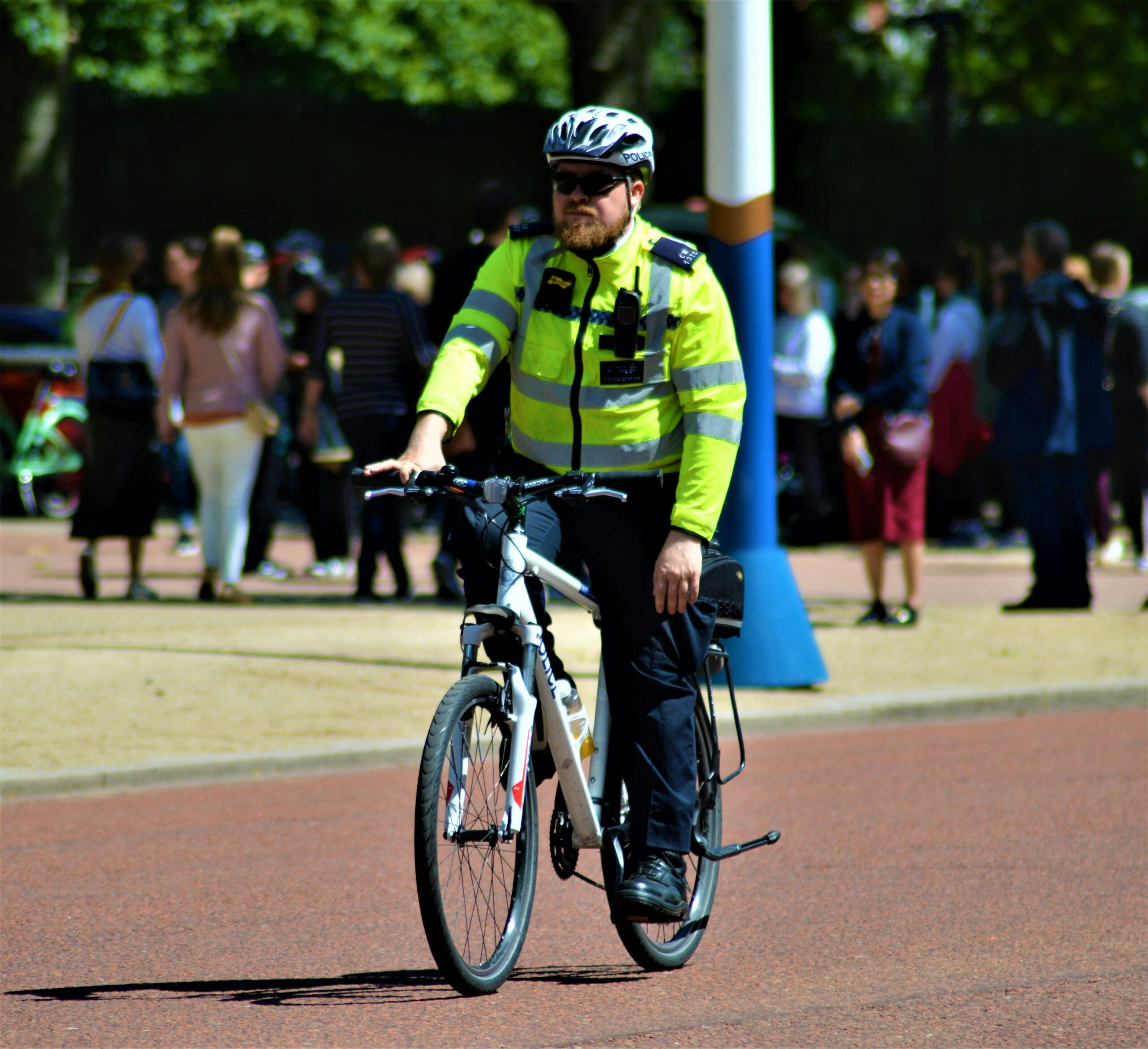
In gang investigations, we are often defined by speed. We talk about high-speed pursuits, rapid response times, and the “fast life” of the streets we monitor. For decades, the barrier between the officer and the neighborhood was a sheet of ballistic glass and a steel door, moving at 35 miles per hour.
But recently, our unit has embraced a different pace. By trading the “shop” for a mountain bike, we’ve discovered that real safety moves at the speed of the community.
Breaking the Glass Partition
When you’re in a patrol car, you are an observer. You are insulated from the smells, the subtle sounds, and the casual eye contact that defines a neighborhood. You’re a “suit” in a cage.
On a bike, that partition disappears.
- Accessibility: You can’t stop a cruiser in the middle of a narrow one-way street to chat with a grandmother on her porch without causing a traffic jam. On a bike, you just hop the curb.
- Approachability: There is something inherently less threatening about an officer on two wheels. The heavy equipment is still there, but the posture is different. We find that residents who would never flag down a marked SUV will comfortably wave over a bike cop to report a suspicious vehicle or a brewing conflict.
Tactical Advantage: The Silent Approach
From a gang investigations standpoint, bicycles offer a tactical “stealth” mode that a 5,000-pound engine simply cannot match.
In neighborhoods where lookouts are posted on street corners to “call out the heat,” the sound of a Crown Vic or a modern Utility vehicle is a dead giveaway. They hear us coming from blocks away. A bicycle, however, is virtually silent. We can navigate alleyways, cut through parks, and move behind apartment complexes with a level of fluidity that keeps the “active” elements of the street on their toes.
“We aren’t just patrolling the neighborhood; we are part of its physical flow.”
By moving at the speed of a pedestrian but with the range of a vehicle, we close the gap between detection and intervention.
Humanizing the Badge
In community-based policing, the goal isn’t just to make arrests—it’s to prevent the need for them. Gangs thrive in the vacuum between the police and the public. When the community doesn’t trust us, they don’t talk to us. When they don’t talk to us, the gangs win.
The “speed of the community” allows for the micro-interactions that build that trust:
- The “Five-Second” Chat: A quick “How’s the store doing today?” to a local merchant.
- Engagement with Youth: Kids are fascinated by the bikes. A thirty-second conversation about tire pressure or gear Ratios can be the first positive interaction a teenager has with an officer, potentially planting a seed that offsets gang recruitment efforts later on.
- Environmental Awareness: On a bike, you notice the small things—a broken street light, a new piece of “tagging” (as we discussed in The Art of Graffiti), or a door that’s been left ajar.
The New Standard
Shifting to bicycle patrols doesn’t mean we’re getting soft; it means we’re getting smarter. It’s about recognizing that we cannot “enforce” our way out of a gang crisis. We have to integrate our way into a solution.
When we ride at the speed of the community, we aren’t just looking for crime; we’re looking for connection. We’re seeing the neighborhood not as a grid of targets, but as a living, breathing space that deserves to be reclaimed, one pedal stroke at a time.